

How to Identify Legit Trading Platforms in South Africa

Finding the Right Fit in the Forex Market: An In-Depth Look at South African Brokers
How to Trade Forex for Beginners in South Africa: A Complete Getting‑Started Guide
As trading in the Forex market continues to increase dramatically throughout South Africa, a new generation of traders are choosing to enter this highly liquid financial market. Although there is huge potential for making a great deal of money while trading forex, it is important to start with a good education, a well-thought-out trading strategy, and access to appropriate tools. This guide outlines how to trade forex for beginners in South Africa, with an emphasis on providing practical, easy to understand information that will assist a new trader in knowing what is essential to do prior to making their first Forex trade.
Understanding the Forex Market
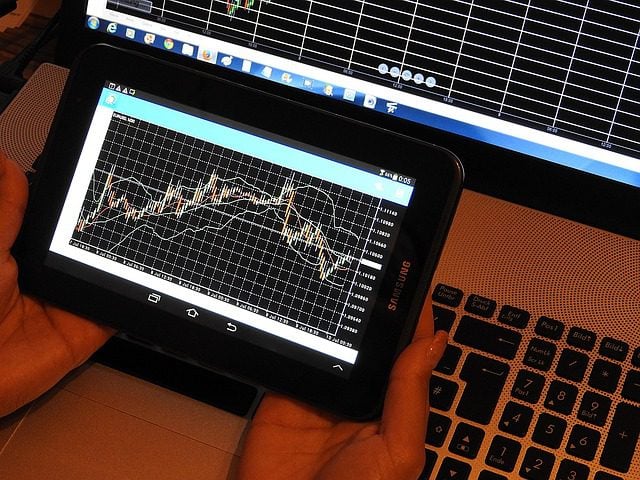
The foreign exchange market (Forex) allows traders to buy and sell currencies around the world in order to profit from changes in the value of currencies. The amount of money being traded each day is estimated to be in the trillions of dollars, with prices changing based on news releases, interest rates, geopolitical developments, and the overall mood of traders. New traders should first become familiar with how to read and interpret price charts before attempting to create a live trading account. Professional Forex traders take their time to learn about the market, develop their own systems for trading, and manage risk prior to executing any trades.
Forex trading is available to anyone; however, if you want to be a successful trader in the long term, you will need to demonstrate discipline and follow a structured approach to learning.
Choosing the Right Tools and Trading Platform
When starting as a trader, it is essential to use a trader friendly trading platform. An appropriate platform can be the foundation of your trading future by providing access to a range of features including the ability to execute trades quickly, use a variety of analytical tools and charting capabilities. Many global and local brokers provide access to trading platforms South Africa, offering flexible account types, mobile access, and advanced trading technology.
In order to create an enjoyable and secure trading experience for new traders, new investors must evaluate all the available trading platforms according to their spreads, fees, reliability, and ease of use. Most importantly, new investors should also seek out demo account access in order to practice with no risk to their investment funds.
Understanding Broker Types and How to Select One
Before you can open a live account, it’s very important to know about the different categories of brokers. The types of brokers in forex generally include ECN, STP, and market maker models, each offering different trading conditions.
The tables below are to help beginners understand the differences between these three categories:
| Broker Type | Execution Style | Typical Spread | Ideal For |
| ECN | Direct market access | Very low, variable | Experienced traders who need tight spreads |
| STP | Straight‑through processing | Competitive | Traders wanting fast execution |
| Market Maker | Internal pricing model | Fixed | Beginners seeking predictability |
Transparency, the presence of government regulations, the safety of money deposited in a broker’s account, and the type of trading support offered by a broker are all factors that should be used when choosing a broker. A broker that provides clients with guidance, education, and good customer service will help make the learning experience more comfortable.
Learning the Right Time to Open and Close Trades
New traders often struggle with knowing when to buy and sell forex. Timing decisions are usually based on technical analysis, price action, and understanding market sessions.
Some key points to remember include:
- The best opportunities often occur during major market sessions overlap (London/New York).
- Monitoring interest rates, employment and other news will help us form an informed prediction of future possible volatility.
- Relative Strength Index (RSI), moving averages, and support & resistance levels can be used to find the entry and exit points for trades.
When it comes to forecasting future price movement, pro traders also develop and control their risk and emotions to increase success. Most professional traders establish their stop-loss and profit target before executing their trades so they are not guessing at any point during the trade.
Beginner-Friendly Steps to Start Trading Successfully
To help simplify how to trade forex for beginners in South Africa, here are practical steps that new traders should follow:
- Learn the basics of forex terminology and chart reading.
- Choose a regulated broker offering access to reliable trading platforms South Africa and beginner support.
- Practice on a demo account before investing real capital.
- Study the fundamentals of technical and fundamental analysis.
- Create a risk‑management plan, including stop‑loss limits.
- Develop a trading strategy and track performance.
- Know when to buy and sell forex using analysis and timing indicators.
The journey from beginner to confident trader takes time. Education, patience, and consistency are more valuable than chasing quick profits.
Conclusion
For novices, it will be a very interesting time to learn how to trade forex for beginners in South Africa since there are so many more educational tools that can now be utilized than ever before because of the advances made with trading platforms South Africa, as well as the support provided by brokers. If you grasp the different types of Forex brokers available, determine when to sell and buy Forex, and adopt a strategic approach to the market, you’ll have established a very solid base for achieving long-term success with your trading.
The trader must also set realistic goals for themselves, keep an open mind to continuous learning and always prioritize their risk management strategy over everything else. When combined with other skills learned through experience, Forex will eventually become an income-producing skill for traders that they can build upon throughout their entire lifetime.