


What Are the Different Types of Brokers in Forex?
What Is the Vault Markets Minimum Deposit and Why Does It Matter for Beginners?
How to Trade Forex for Beginners: What’s the Smartest Way to Start Today?
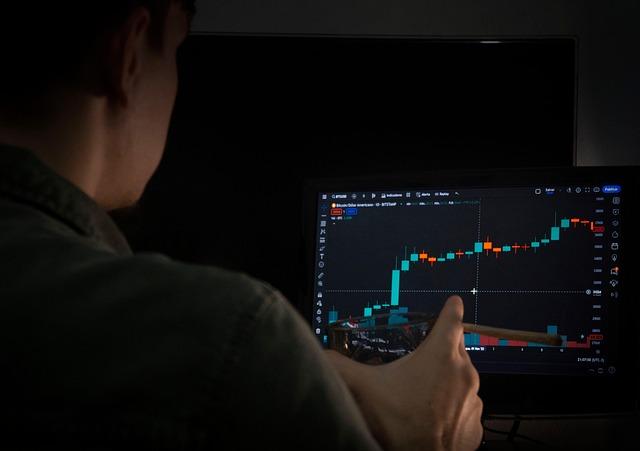
If you’re searching for how to trade forex and where to begin, you’re not alone. Most new traders in South Africa are seeking easy-to-understand, no-jargon answers to a very practical question: “How do I start with forex without becoming confused over charts, jargon, or risk?”
The truth is, forex can be incredibly profitable, but only if you approach it with clarity and discipline. With this guide, you’ll learn how to trade forex as a beginner pro with the tools, strategies, and platforms that can assist you to grow with confidence.
Let’s guide you through the beginner’s map step-by-step.
Why Do So Many Forex Beginners Struggle at First?
It’s easy to get overwhelmed at the beginning. You’ll see terms like leverage, spreads, pips, and candlestick patterns, and suddenly it feels like you’re learning a new language.
Add to that the pressure from social media “mentors” promising fast profits, and many beginners jump in before they’re ready. The result? Lost money, broken confidence, and the belief that trading isn’t for them.
But here’s the truth: with the right mindset, education, and tools, anyone can learn to trade forex. It’s all about building skills before placing trades.
What’s the Right First Step to Learn Forex Trading?
Start small. Before you even think about live trades, your focus should be to:
Understand the Basics
Learn what currency pairs are, how the forex market operates, and the meaning of terms like “bid/ask,” “spread,” and “leverage.” Platforms like Vault Markets offer structured education tailored for beginners.
Open a Demo Account
Practice with virtual funds in a simulated market environment. This helps you understand how trades are placed, how charts move, and how strategies work—without risking real money.
Follow a Learning Plan
There’s a difference between scrolling YouTube aimlessly and following a proper learning sequence. A good broker offers organized lessons and guided support to help you understand how to learn forex trading most effectively.
What Changes After You Learn Forex the Right Way?
Let’s compare your before and after journey when you go from guessing to growing.
|
Stage |
Before Learning Properly |
After Using the Right Tools |
|
Confidence |
Low, confused by jargon | Higher, based on skill-building |
|
Trading |
Emotional, random trades |
Strategy-based, well-timed entries |
|
Risk Management |
Often ignored |
An essential part of each trade |
|
Broker Selection |
Based on ads or hype |
Based on verified reputation |
Working with one of the best forex brokers in South Africa can make this transformation much smoother, especially when they provide demo access, education, and market insights designed for beginners.
What Forex Trading Strategies Work Best for Beginners?
You don’t need to memorize hundreds of strategies to get started. Focus on 1–2 simple approaches, master them, and build from there.
Here are two starter-friendly forex trading strategies:
Support and Resistance
This is the foundation of many trading setups. You learn to identify levels where price historically bounces or reverses. These become your entry and exit zones.
Breakout Strategy
This strategy focuses on trading when the price breaks out of a range, indicating the start of a new trend. Beginners love it for its simplicity and clarity.
Both strategies are easy to practice using a demo account. Over time, you can combine them with risk management tools like stop-loss and take-profit orders for consistent trading.
What Mistakes Do Beginners Commonly Make (and How to Avoid Them)?
Mistake 1: Trading Without a Strategy
Many new traders skip the learning curve and trade based on emotion or online signals, without understanding why they’re entering a trade.
Fix: Choose 1–2 beginner-friendly strategies, study them deeply, and test them on a demo account until you’re comfortable.
Mistake 2: Choosing the Wrong Broker
New traders often fall for high-leverage promises or flashy ads and end up with poor customer service, delayed withdrawals, or limited support.
Fix: Always go with regulated brokers that are rated among the best forex brokers in South Africa. These brokers offer transparent terms, local support, and better trading infrastructure.
FAQs: Quick Answers for Beginner Forex Traders
1. Do I need a lot of money to start forex trading?
No. Many platforms allow you to start with as little as R100 or even use a demo account to practice before depositing real money.
2. How do I pick the best forex broker in South Africa?
Look for FSCA-regulated brokers, responsive customer support, low spreads, and beginner-friendly tools. Vault Markets is a top choice.
3. Can I trade forex without prior experience?
Yes, but you should invest time in learning and demo trading before you risk real funds. Use free educational resources to prepare yourself.
4. What’s the best time to trade forex?
The London and New York sessions (typically from 10 am to 6 pm South African time) offer the most liquidity and price movement.
5. How do I stay consistent in trading?
Use a trading journal, follow one or two proven forex trading strategies, and avoid switching plans after every losing trade.
Final Thoughts: Learn Smart, Trade Smart
Forex trading is a challenging subject to grasp, especially for beginners. The biggest challenge in understanding how to trade forex is the mindset of trading; it’s not a question of chasing trades for instant profits.
You want to be able to understand the platform, the tools available to you, and the structure behind every trade, all with the psychology of trading weighing heavily on the mind.
If you are serious about learning how to trade forex and work with a good broker, like Vault Markets, you’ll get more than a trading platform when you sign up. You can access educational materials, hold accounts for demo practice, receive local support, and at the very least, they will take you from curious to confident.
So start small, don’t make it complicated, and don’t rush it, but simply get started.
Learn and practice, and then once you are ready, you can start trading by using a plan, not a guess.