



Which Broker Is the Best in South Africa? A Decision Framework, Not a Ranked List

MT5 Trading System: What You’re Actually Getting Beyond a Chart and an Order Button
Synthetic Indices Brokers: What You’re Actually Trading, and Why It Isn’t Forex
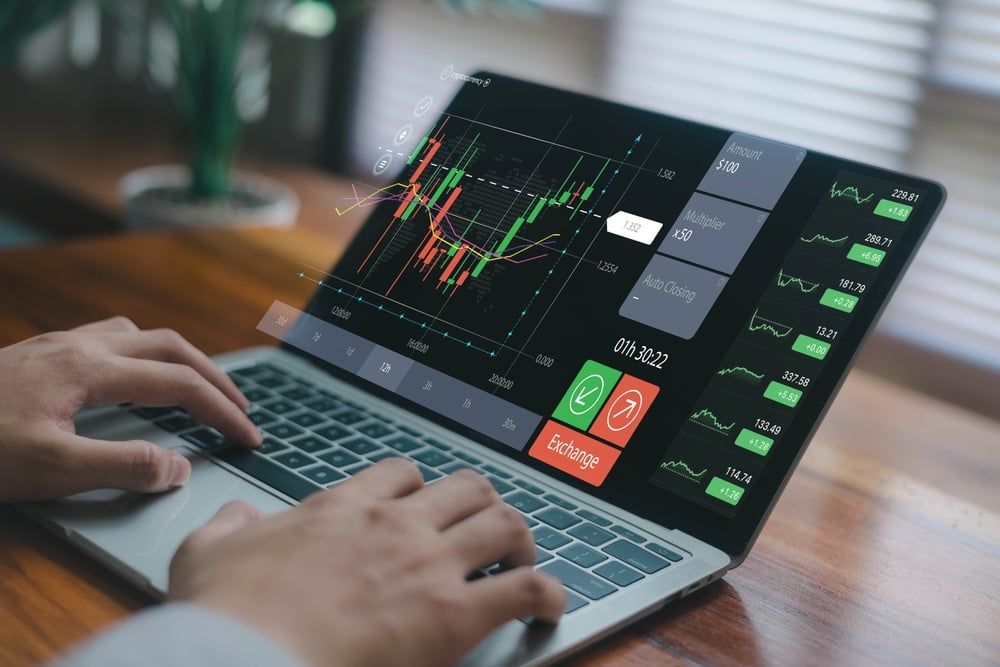
An investor moving from traditional markets into forex, and then stumbling onto synthetic indices along the way, often assumes they’re just another exotic currency pair or index CFD. They’re not, and treating them that way is where a lot of newer traders run into trouble fast. Synthetic indices are algorithm-generated instruments, simulated price feeds designed to mimic market volatility characteristics without being tied to any real underlying asset, economic release, or trading session. Understanding that distinction properly, before opening a position, matters more than almost anything else covered in typical broker comparison content.
What Synthetic Indices Actually Are, Mechanically
Real forex pairs move based on genuine supply and demand central bank decisions, economic data, geopolitical events, actual capital flows between currencies. Synthetic indices, by contrast, are generated by a cryptographically verified random number algorithm designed to replicate certain volatility patterns, running continuously regardless of what’s happening in actual financial markets. There’s no underlying asset changing hands, no real economic driver, and critically, no market close. These instruments trade 24/7, including weekends, which is genuinely unusual compared to almost everything else in a typical trading account.
This has real practical implications. There are no weekend gaps to worry about, no reaction to a surprise interest rate decision, no correlation to what’s happening in equity or currency markets elsewhere. For some traders, that predictability of structure, if not of price direction, is appealing. For others expecting these instruments to behave like a forex pair with slightly different branding, the disconnect causes confusion fast.
Why Brokers With Synthetic Indices Attract a Specific Kind of Trader
Brokers with synthetic indices tend to draw two fairly distinct groups. The first is traders specifically interested in algorithmic or systematic strategies, since the consistent, non-fundamental-driven volatility patterns of synthetic indices can be more straightforward to backtest than instruments influenced by unpredictable real-world news events. The second is traders drawn in by the continuous 24/7 availability, appreciating that a position doesn’t have to sit exposed to a weekend gap the way a forex or equity position might.
Worth being direct about the trade-off here: the same volatility that makes synthetic indices interesting for systematic strategies can move fast and sharply, with none of the news-driven context a trader might use to anticipate a currency pair’s next move. Sizing positions conservatively matters more here, not less, precisely because there’s no macro narrative to lean on for context when a move happens.
|
Characteristic |
Forex Pairs |
Synthetic Indices |
|
Underlying driver |
Real economic and market factors |
Algorithmic, no real underlying asset |
|
Trading hours |
Weekday sessions, closed weekends |
24/7, including weekends |
|
News sensitivity |
High, reacts to economic releases |
None; unaffected by real-world news |
|
Weekend gap risk |
Present |
Absent |
|
Suitability for backtesting |
Complicated by news-driven volatility |
Often cleaner due to consistent volatility patterns |
Setting Up an MT5 Synthetic Indices Account
An mt5 synthetic indices account functions within the same platform as standard forex trading, but typically requires the instrument to be added separately to your Market Watch window, since synthetic indices aren’t always displayed by default alongside standard currency pairs. Once visible, they trade using the same order types and charting tools as any other MT5 instrument, which makes the platform mechanics familiar even though the underlying instrument behaves completely differently.
One detail worth checking directly with your broker: not every account type necessarily supports synthetic indices trading, and margin requirements can differ from standard forex positions given the different volatility profile. Vault Markets offers synthetic indices access alongside standard forex and CFD instruments across its MT5 account structures, which is worth confirming account-type compatibility on directly before assuming access is automatic across every account tier.
Finding Synthetic Indices Brokers MT5 Supports Properly
Not every broker offering synthetic indices brokers mt5 access implements it identically. Instrument naming conventions, available volatility index variants, and even minimum position sizes can vary meaningfully between brokers offering what looks, on the surface, like the same product category. Checking the specific instrument list and contract specifications directly, rather than assuming “synthetic indices” is a standardized offering identical across every provider, avoids a mismatch between what you expected and what’s actually available once you’ve opened an account.
Forex Trading Tips That Apply Differently to Synthetic Indices
Standard forex trading tips watch economic calendars, understand session overlaps, track central bank commentary simply don’t apply to synthetic indices, since none of that context exists for these instruments. The tips that do transfer: disciplined position sizing, using stop-losses consistently, and never risking more than you’re prepared to lose on a single position, all remain just as relevant, arguably more so, given how quickly synthetic index volatility can move without any external warning signal to anticipate it.
Final Thoughts
Synthetic indices brokers offer a genuinely different instrument category from forex, not a stylistic variation on it. Understanding that the underlying driver is algorithmic rather than economic, that the market never closes, and that standard forex analysis tools don’t transfer meaningfully to these instruments is the actual prerequisite for trading them responsibly, regardless of how familiar the MT5 interface makes them feel.
FAQ
1.Can synthetic indices be traded on the same account as the forex trading using the MetaTrader 5 platform?
Yes, typically traders can use the same accounts to trade both assets, but you may need to insert synthetic indices manually before you can see and trade them on the platform.
2.Are synthetic indices traded or available for trading only during the periods when the forex market is open or available to trade?
No. Synthetic indices normally trade 24/7, and that is a major difference from traditional forex trading sessions.